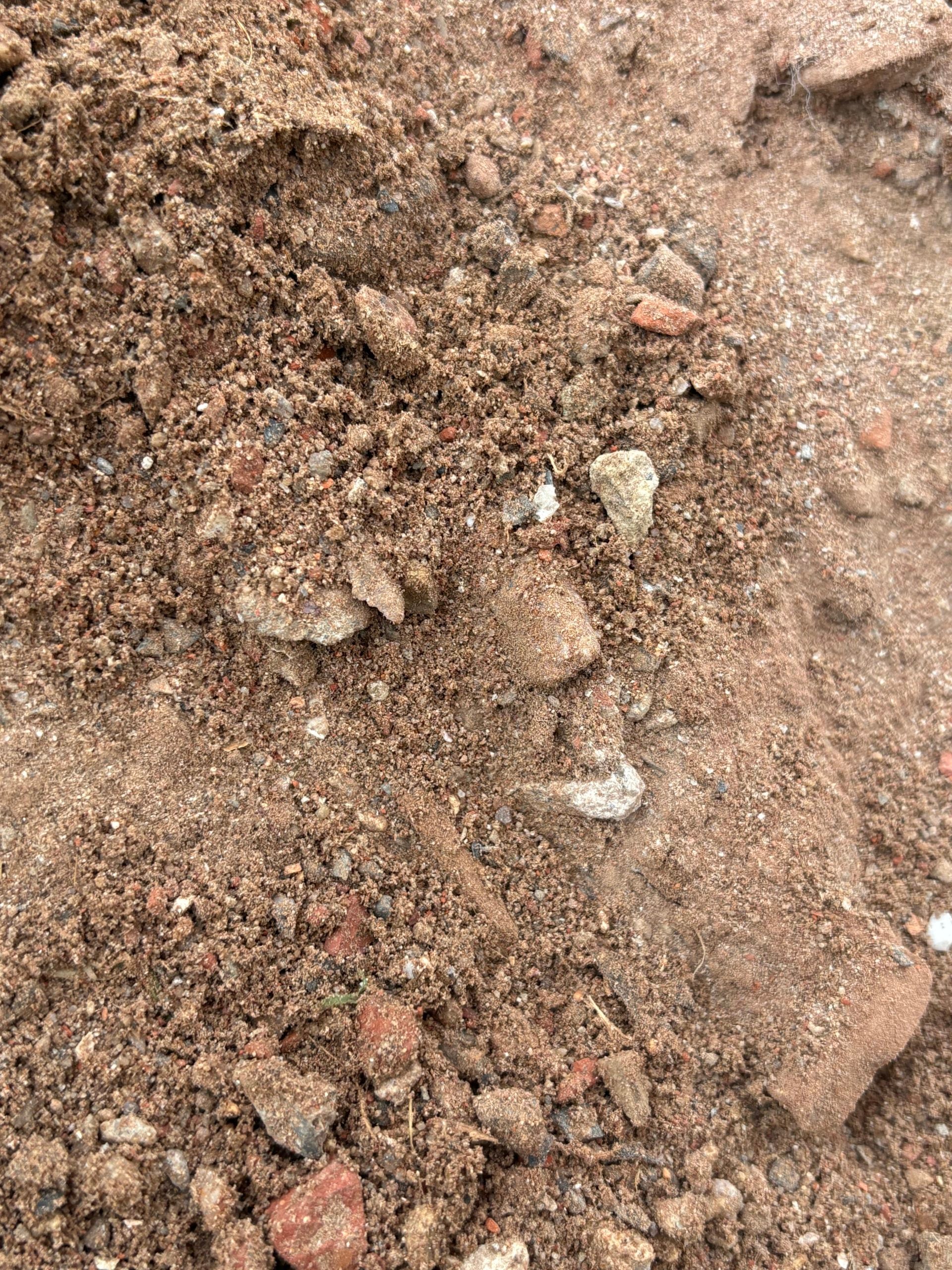
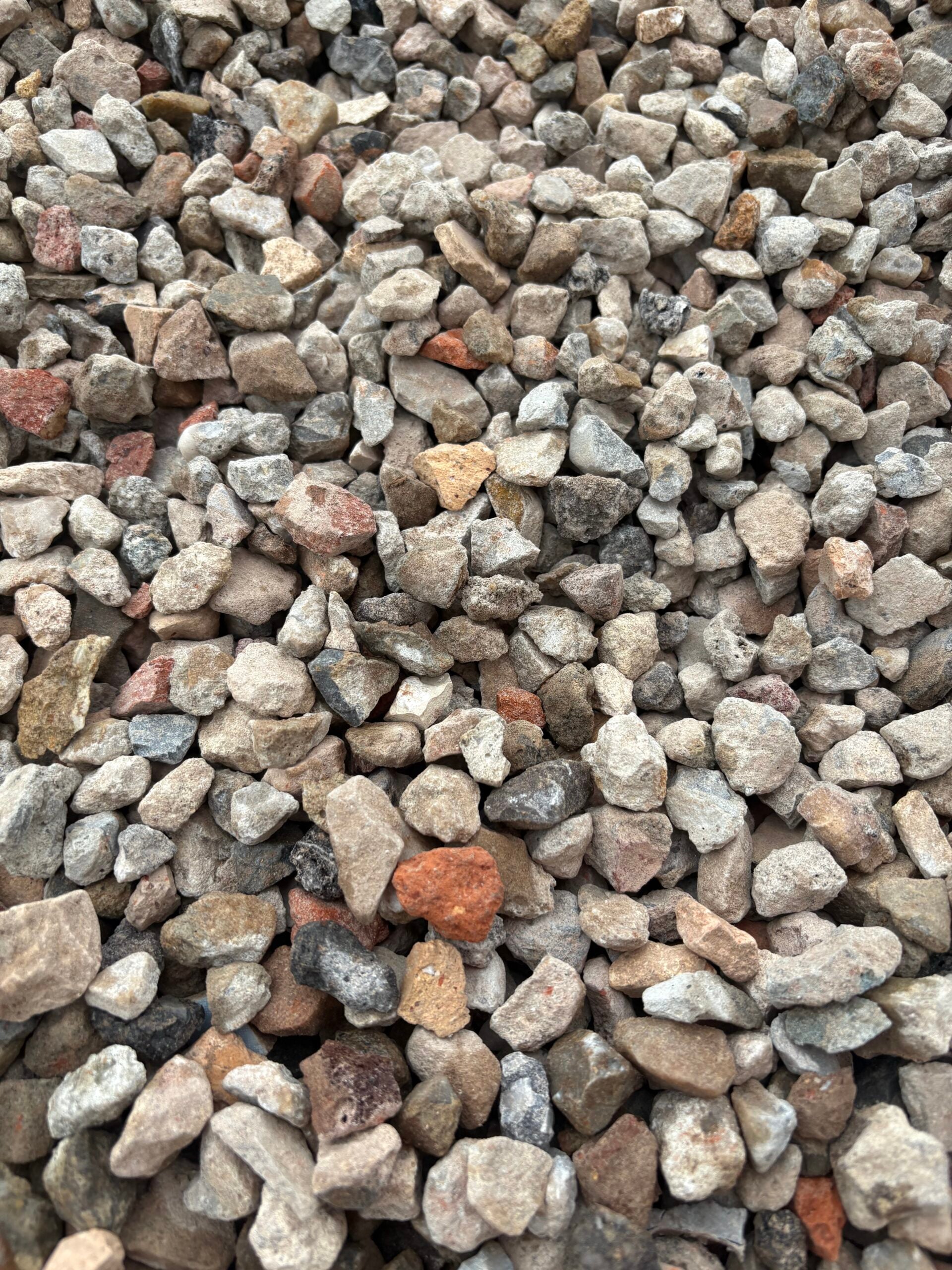
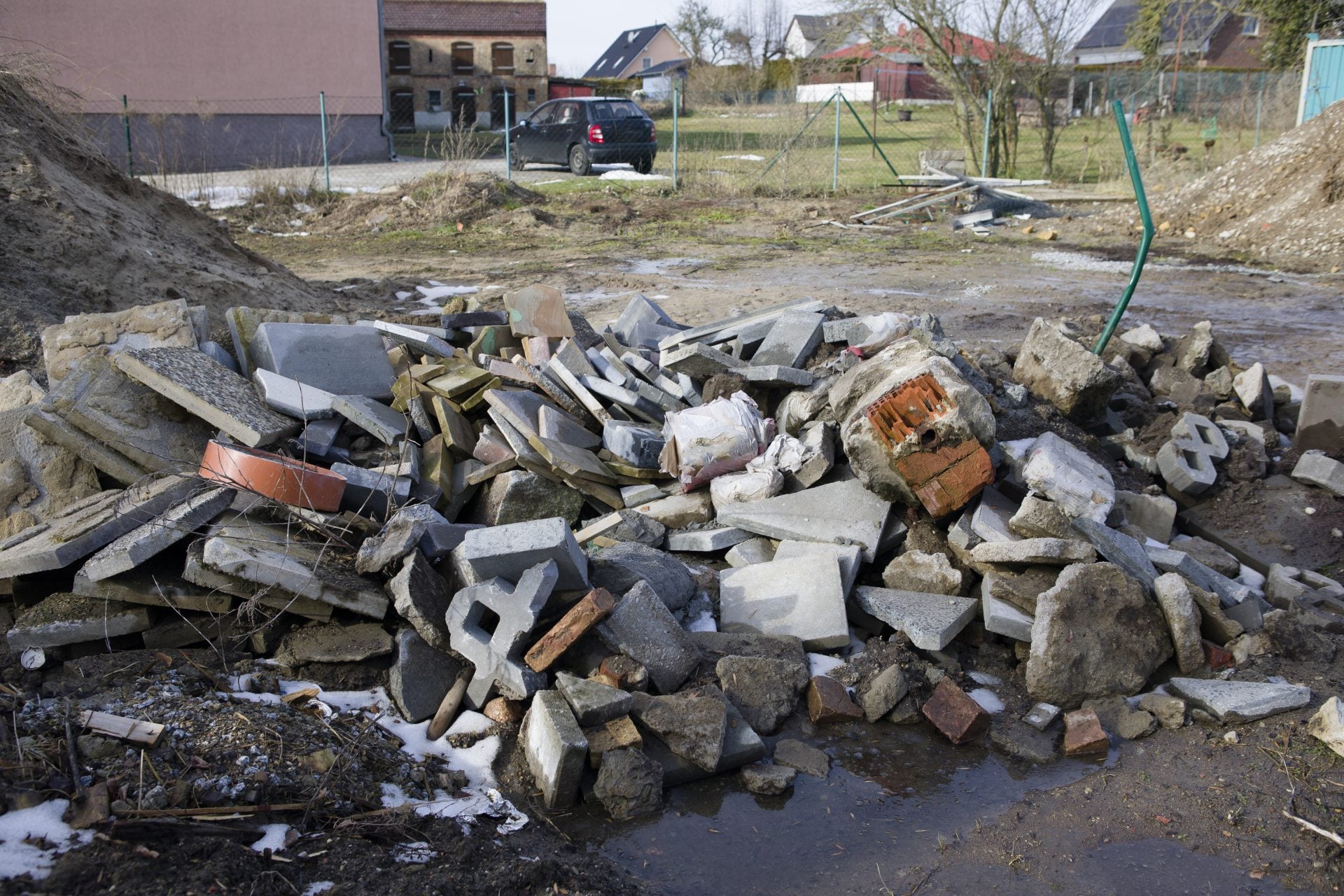
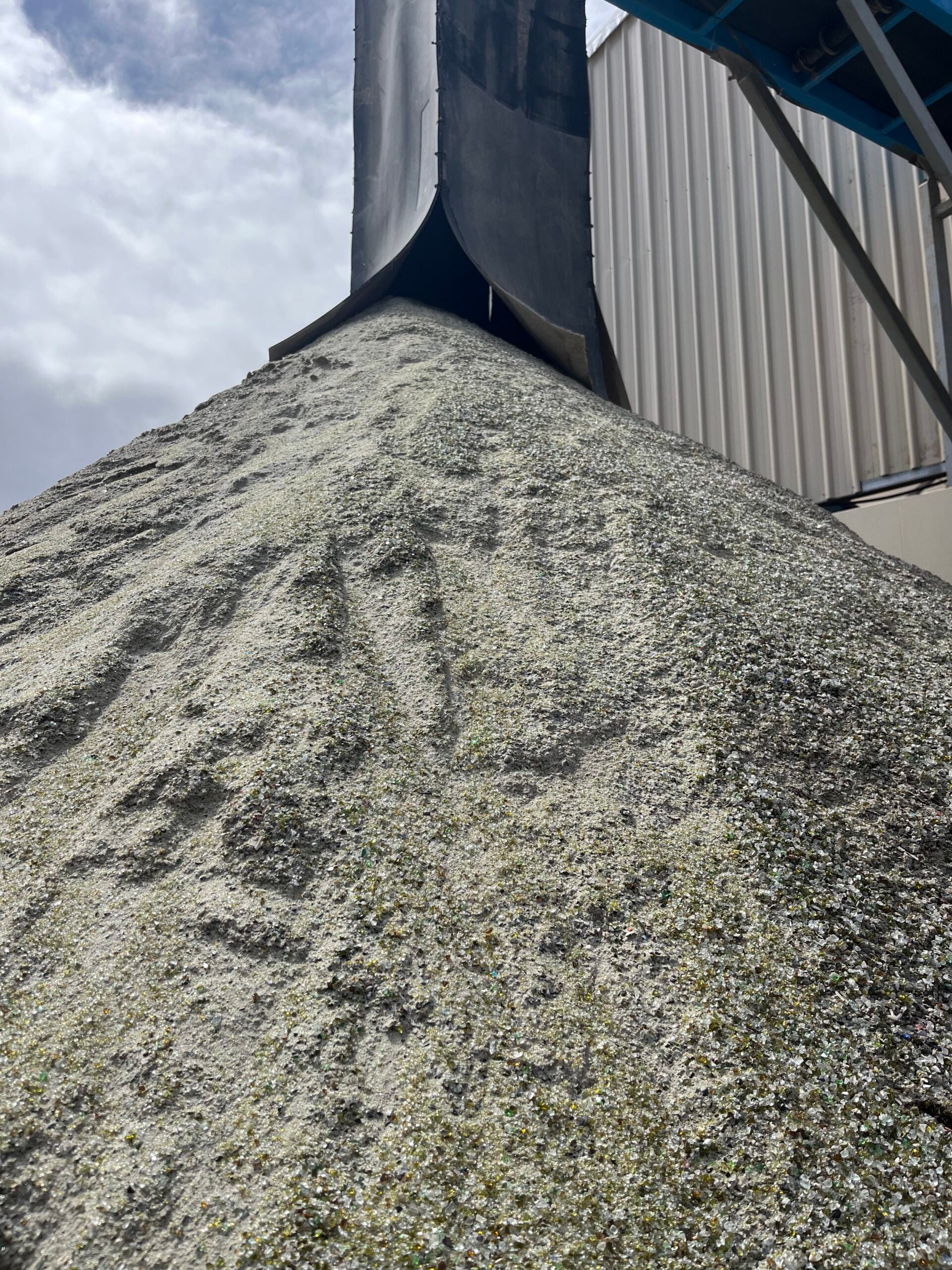
The origin of our business is the diversion of waste from landfill, extracting its maximum value and ensuring that it is never wasted. Our goal is to recycle construction and demolition waste into valuable resources, reducing disposal costs and environmental impact. Minimising waste is crucial to reduce landfill usage and conserve resources, supporting a more sustainable future.
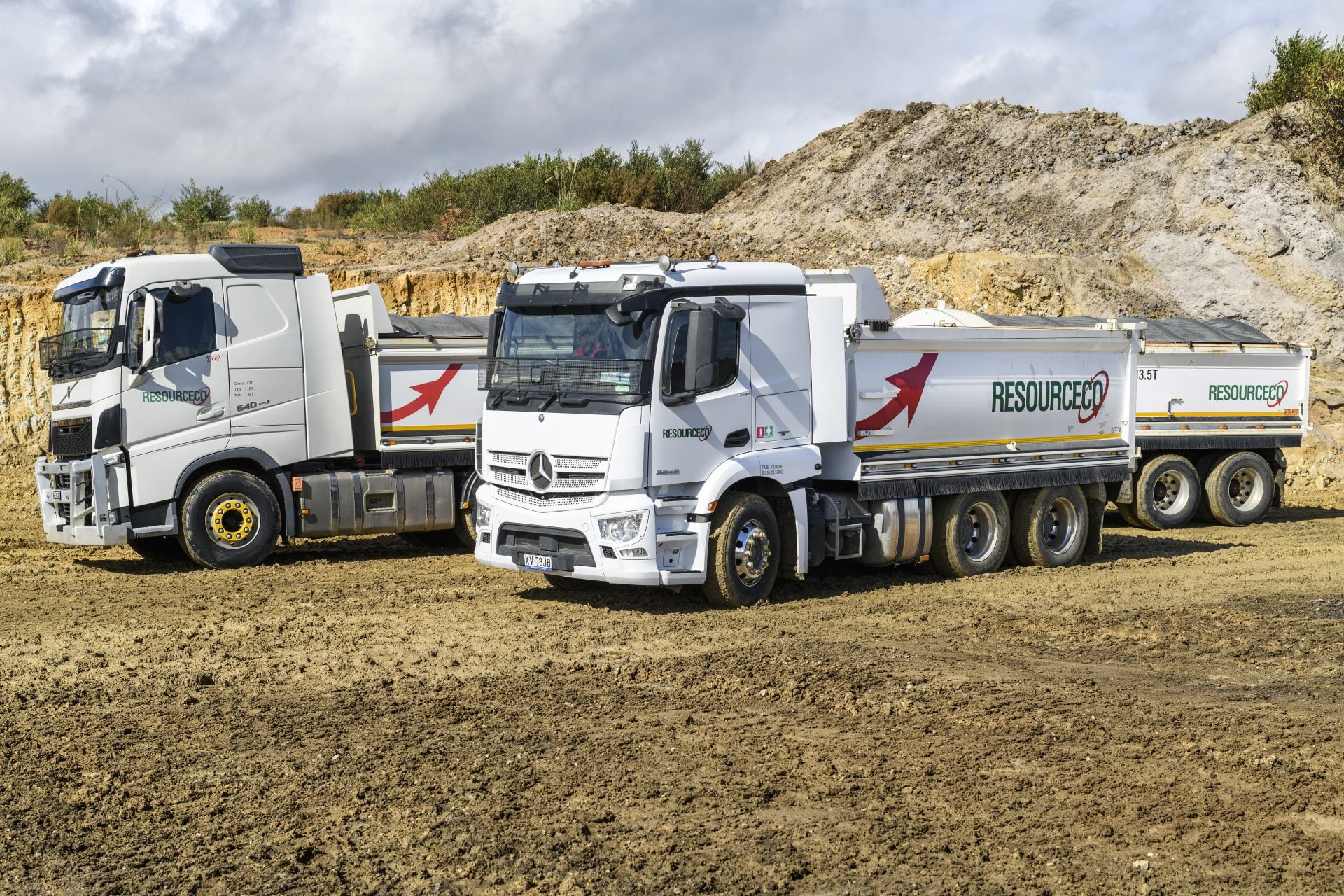
ResourceCo collects and processes Construction and Demolition (C&D) waste materials, consisting of asphalt, concrete, bricks and rubble. This waste is then used to manufacture a range of recycled aggregates and recycled asphalt products. We help the construction industry dispose of demolition waste responsibly while supporting sustainable building practices, ensuring that materials are managed responsibly at the end of their lifecycle to prevent them from ending up in landfill.
Recycling C&D material conserves resources by extending the life of quarries and offering a full lifecycle of material/s from demolition through to resupply to site for construction carbon benefits. Recycled building materials support the environment by reducing the demand for new materials and energy-intensive quarrying processes. Recycling waste also plays a key role in supporting sustainability and resource recovery.
What types of construction waste does ResourceCo accept?
ResourceCo accepts a wide range of construction and demolition waste, including concrete, asphalt, bricks, rubble, masonry, and mixed fill. We also process ferrous and non-ferrous metals, which are sent to specialist recyclers. Our transfer facilities help builders and contractors dispose of waste responsibly while contributing to the recycling of valuable resources.
How is construction and demolition (C&D) waste processed?
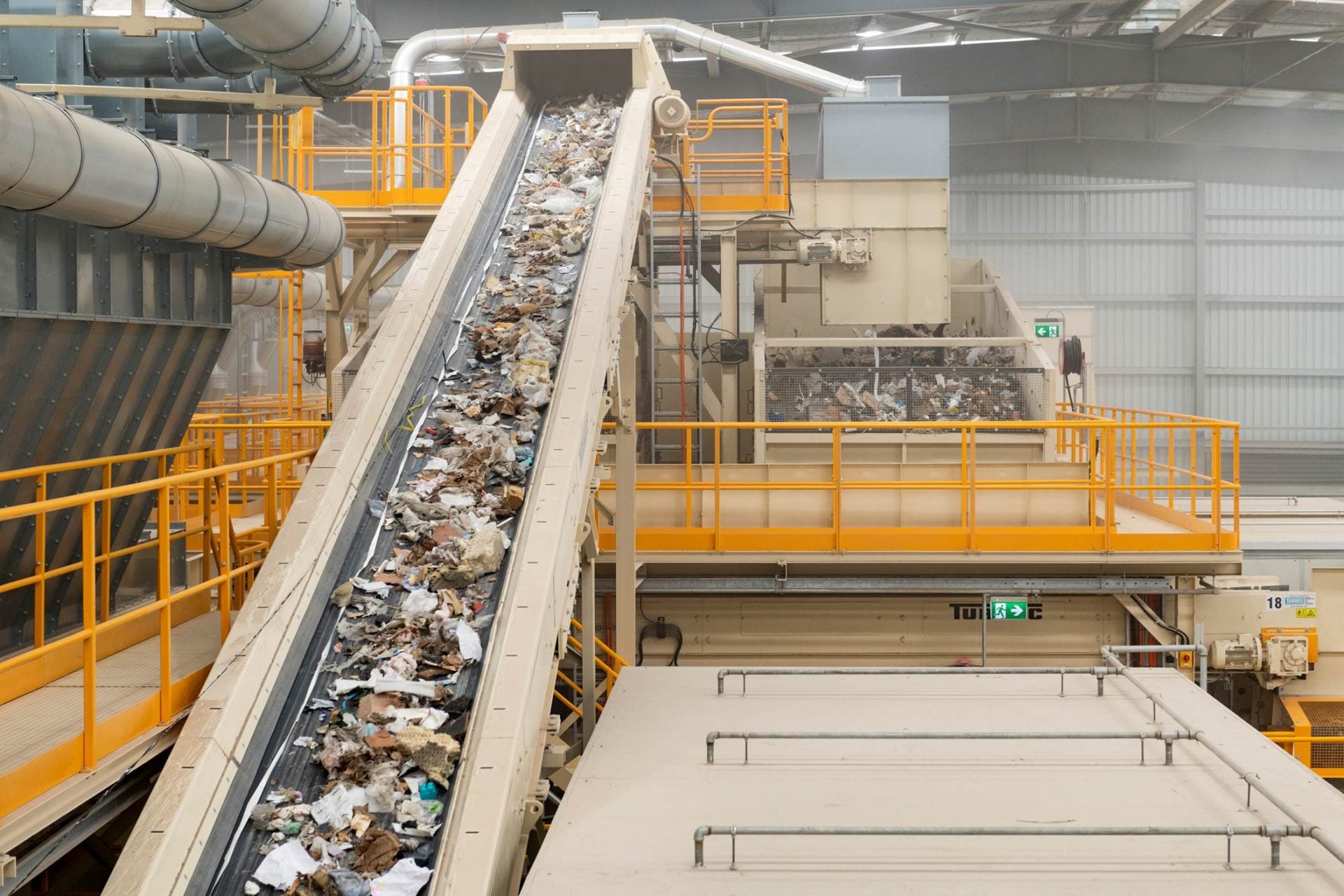
C&D waste is sorted at our processing facilities to remove metals and non-recyclables. The remaining materials like concrete, bricks, and asphalt are crushed and re-used in manufacturing recycled products such as road base, aggregates, and fill. This method supports construction material disposal that reduces landfill use and lowers project costs.
What are the benefits of recycling construction waste?
Recycling construction waste conserves natural resources, reduces landfill pressure, and lowers the need for new building materials. It also decreases energy use and emissions associated with quarrying and production. ResourceCo’s process offers construction projects a more sustainable and cost-effective alternative to traditional material sourcing.
Are recycled materials suitable for construction projects?
Yes. Our recycled concrete, aggregates, sands, and asphalt products are engineered for quality and performance, making them ideal for use in civil and commercial construction. These materials are not only cost-effective but also carry Green Star certification opportunities for builders aiming to meet sustainability goals.
What is the environmental impact of not recycling C&D waste?
Sending demolition waste to landfill contributes to environmental degradation, increased energy use, and resource depletion. It also raises project disposal costs. Recycling helps reduce greenhouse emissions, preserves quarry life, and ensures the reuse of materials that would otherwise become rubbish.